


Europe has been hit hard by a second “China shock.” The first, in the early 2000s, followed China’s entry into the World Trade Organization and brought a flood of low-cost, low-end “Made in China” goods such as textiles, toys and steel. That model is now largely outdated. China has become a formidable competitor in advanced technologies. It wiped out Europe’s solar panel industry a decade ago, has emerged as a global leader in building new nuclear power plants and is now a major force in developing new pharmaceuticals.
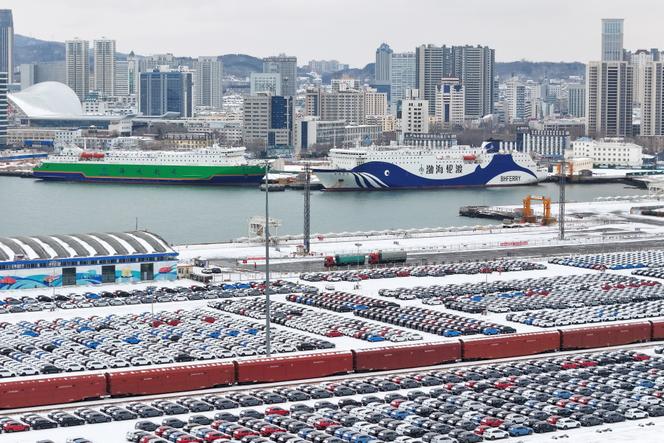
The automotive sector is the clearest example. Before the Covid-19 pandemic, China was a net car importer. Today, 40% of the world’s passenger vehicles are produced in Chinese factories. More importantly, thanks to its dominance in battery technology, China has taken a decisive lead in electric vehicles – the future of the industry. Europe is still struggling to keep up.
On Thursday, February 12, European Union leaders will gather in Belgium for a summit on competitiveness. In September 2024, former European Central Bank president Mario Draghi delivered an alarming report on Europe’s economic decline. Nearly 18 months later, his recommendations have only just begun to be implemented. Meanwhile, US President Donald Trump imposed 15% tariffs on the EU.
Europe now faces the prospect of a new and even more painful wave of deindustrialization, along with a further erosion of economic sovereignty – trends that risk fueling political demagoguery and deepening the democratic crisis.
How can the EU move beyond these observations and finally respond? In a report published Monday, February 9, Clément Beaune, the French high commissioner for strategy and planning, proposed either imposing 30% tariffs on all Chinese products or devaluing the euro by 30%. For Beaune, these threats, which stand little chance of being adopted by the EU, are intended to bring the Chinese to the negotiating table, so they might finally revalue their currency, currently undervalued by about 25%, or reduce subsidies to their industries.
Meanwhile, in an interview published on Tuesday by Le Monde and other European newspapers, French President Emmanuel Macron emphasized the need to reform the EU to revitalize its vast market of 450 million people. He advocated for a sweeping pan-European borrowing plan aimed at investing in environmental protection, artificial intelligence and quantum technologies, to prevent the continent from falling behind in these key sectors.
If Europe is to survive both economically and politically, it urgently needs to innovate along these two lines: protection and investment. China’s technological revolution was the result of the “Made in China 2025” plan, adopted in 2015, which explicitly targeted the development of priority sectors. It is time for the EU to overcome its divisions and define, in turn, measures to protect its strategic sectors and an industrial policy based on a joint investment plan and a strengthening of its education and university systems. These imperatives are not new. The current geopolitical situation and shifts in economic power make them vital.
Fonte: Le Monde