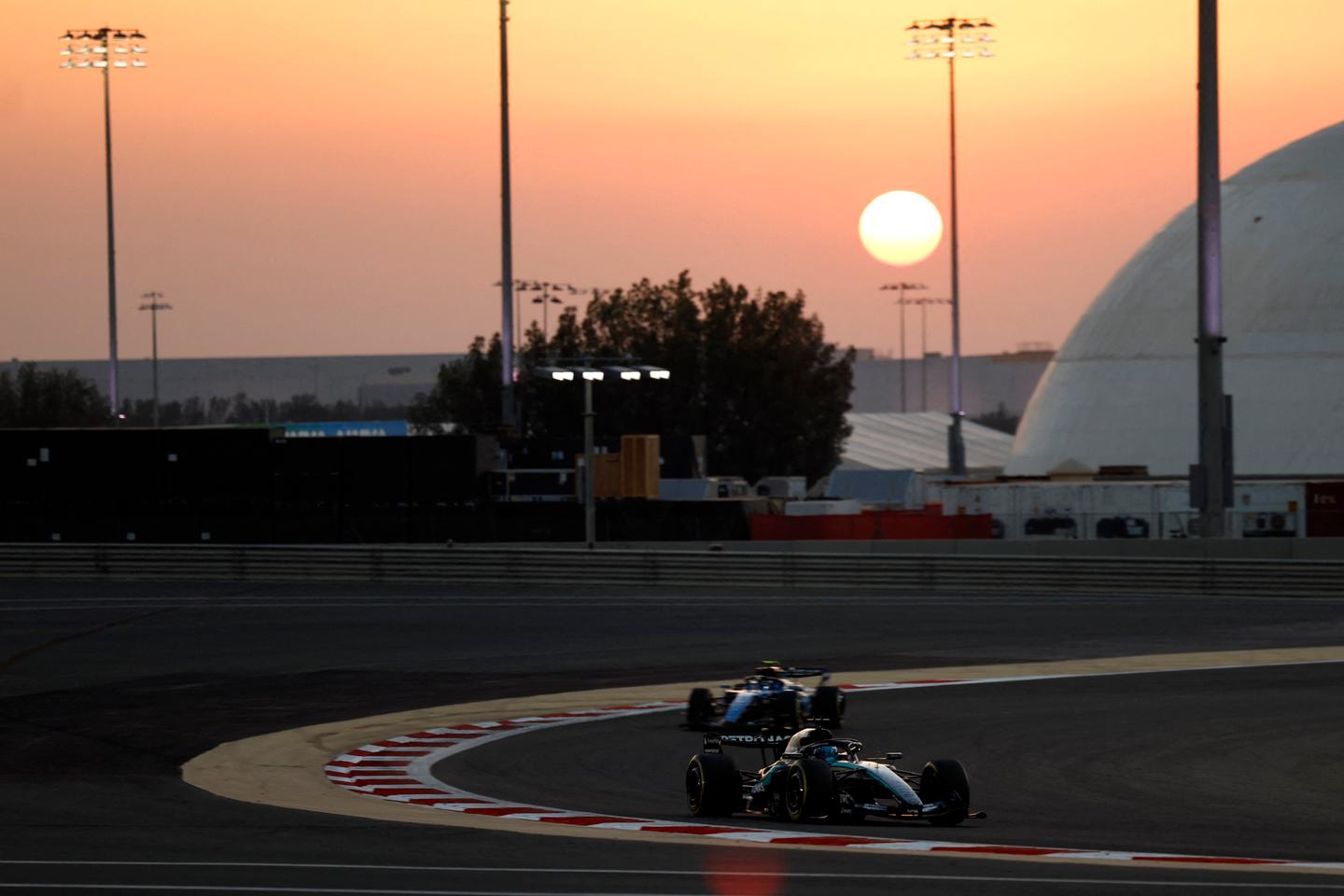




Formula 1 is undergoing a seismic shift. Engine, aerodynamics, chassis, fuel, tires, race strategy – everything is changing in 2026. The International Automobile Federation (FIA) has rewritten the rulebook, introducing technical regulations that are ushering Formula 1 into a new era, where drivers’ ability to manage their car’s electric power is becoming crucial. As the 22 drivers line up on Sunday, March 8, in Melbourne, Australia for the first of the season’s 24 Grands Prix (5 am Paris time), it is difficult to pick a favorite after such a comprehensive overhaul.
“Everything is new. There’s no possible comparison with the previous generation of cars. For the teams, the learning curve is so steep that it will take several months before things become clear,” said David Sanchez, the technical director at Alpine. “We’re going to see, certainly in the early races, certainly in Melbourne, quite a decent chunk of unpredictability and chaos,” added Bradley Lord, a Mercedes spokesperson and the right-hand man to Toto Wolff, the head of the German team.
Like Lord, most observers are expecting more open, chaotic races; Formula 1 fans will not complain after years of processional racing with ground-effect cars. In 2022, new rules were introduced to simplify overtaking, but engineers countered by further boosting aerodynamic downforce. The resulting turbulence – known as “dirty air” in F1 jargon – made it much harder for trailing drivers to pass.
You have 76.25% of this article left to read. The rest is for subscribers only.
Fonte: Le Monde