



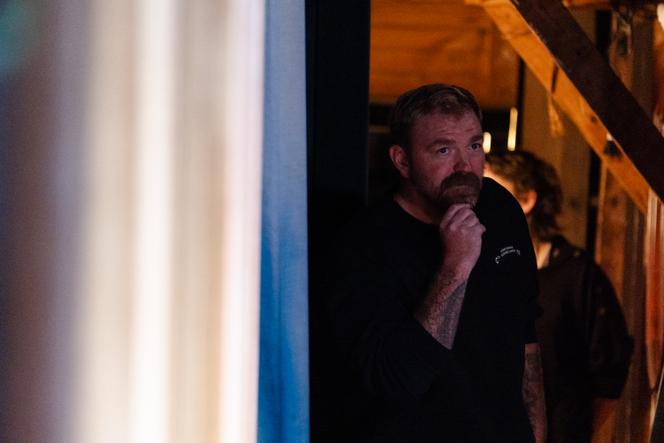
On a mid-October evening, a packed crowd pressed inside a veterans’ hall in Waterville, Maine. Not everyone could fit in; around 200 latecomers huddled in front of a loudspeaker in the parking lot, braving the biting cold of the northeastern United States. Some had driven over an hour to listen to the 41-year-old man holding the microphone, dressed in a hoodie, with a scruffy beard and tousled hair.
Graham Platner, a former infantry soldier who switched to oyster farming, hopes to become Maine’s next Democratic senator. He does not look like a typical Washington politician – and that is precisely his appeal.
There is a proverb in American politics: “As Maine goes, so goes the nation,” a saying that dates back to the 19th century, when the outcome of Maine’s gubernatorial race reliably predicted the results of the presidential election. While the state’s reputation as a political bellwether has faded, the maxim remains a point of local pride. In recent months, it has gained new relevance: observers searching for early signs, one year after Donald Trump’s election, have been closely watching the unusual political climate simmering in the state.
You have 84.94% of this article left to read. The rest is for subscribers only.
Fonte: Le Monde