


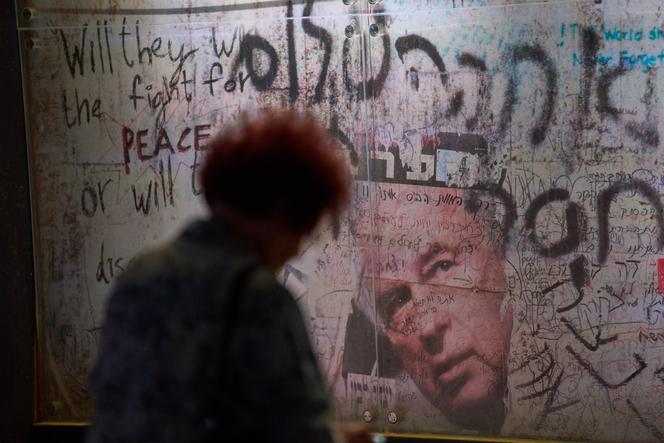
A new face of Israel emerged on October 5, 1995, in Zion Square in Jerusalem, where Benjamin Netanyahu, then leader of the opposition, gathered tens of thousands of fervent supporters. Their virulent criticisms targeted Yitzhak Rabin, the prime minister who, two years earlier, had signed peace accords with Yasser Arafat, the head of the Palestine Liberation Organization (PLO).
The Oslo Accords had already led to the withdrawal of the Israeli army from most of the Gaza Strip and had just been supplemented by a timetable for evacuating parts of the West Bank. While these territories remained without geographical continuity or political sovereignty, it was already too much for Netanyahu and his followers, who accused Rabin of making a pact with “terrorism.”
The prime minister was caricatured as an SS officer and some demonstrators chanted “Death to Rabin.” The internal security service, the Shin Bet, unsuccessfully urged Netanyahu to tone things down. But the ambitious politician was convinced that only such escalation would allow him to stand out against a hero of all of Israel’s wars, who was twice his age.
You have 77.59% of this article left to read. The rest is for subscribers only.
Fonte: Le Monde