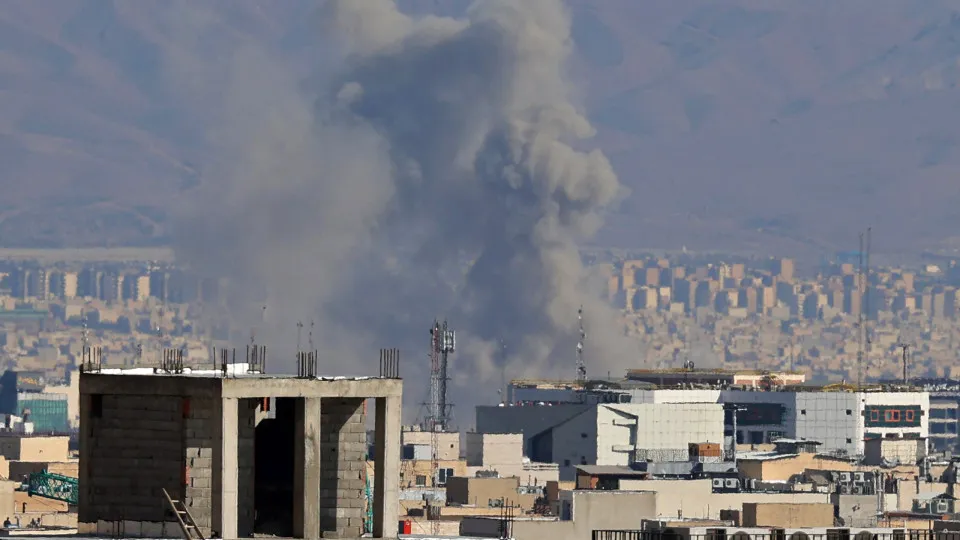



The devastation caused by Cyclone Ditwah in Sri Lanka on November 28, which killed more than 600 people, was unprecedented in scale. The cyclone affected the entire island nation of around 23 million people – a tropical jewel known for its idyllic beaches along the Indian Ocean, mountain forests, and tea and spice plantations. This disaster was the latest sign of the ongoing environmental and climate crisis in South Asia, home to two billion people – a quarter of humanity.
Everywhere – except for the small kingdom of Bhutan, which has deliberately limited its development and tourism – nature has been destroyed on a massive scale through urban sprawl, deforestation and pollution. The air, soil and water have become contaminated. Bangladesh, Pakistan and India rank at the very bottom of global air quality indexes. Major cities such as Delhi, Lahore, Dhaka and even Kathmandu, suffer year-round suffocating concentrations of fine particles, with winter peaks reaching unlivable levels. The World Health Organization has predicted an epidemic of cancer in the coming years. The medical journal The Lancet has estimated that 1.7 million deaths in India in 2022 were attributable to air pollution.
The Ganges and Yamuna rivers – both sacred to Hindus – have become conduits for contamination. Industrial waste, agricultural pesticide runoff, and untreated urban sewage are all dumped into their waters. The water contains arsenic, cadmium and lead. The health impacts are clear: across the Ganges plain, the incidence of gallbladder cancer – a relatively rare disease – is soaring in India, accounting for nearly 10% of the global burden. The soil has also been exhausted by intensive agriculture.
Water crisis
All efforts should be directed toward finding solutions while it is still possible, while there is still time. But nothing has slowed the destruction of nature, sacrificed to the ambitions of a few oligarchs with the complicity of leaders obsessed with growth trajectories and the pursuit of power.
You have 60.51% of this article left to read. The rest is for subscribers only.
Fonte: Le Monde